FX AuditorBroker Data Desk
2026 Annual Review
Home/How We Test

Methodology 2026.1

How we test brokers

Every number on this site traces back to a live account we opened, funded, traded and then emptied. This page is the whole protocol: what we do, in what order, what it costs us, and the rules we hold ourselves to when a result is inconvenient.

10 brokers · 14 months · £18,000 deployed · 2,073 data points · maintained by James Cole

Protocol

The five stages, in order

Identical for every broker, in the same sequence.

01

We open the account as an ordinary retail client

No press accounts, no demo logins, no analyst contact at the broker. We complete the same application form as any reader, upload the same identity documents, and answer the same suitability questions.

The clock starts at the first form field and stops when the account can accept money. Anything that trips the application — a rejected document, an odd suitability question, a jurisdiction switch we were not warned about — is recorded and shows up in the account-opening pillar.

Accounts opened
10
Median KYC time
1 day
02

We fund it with our own money

Every broker receives a real deposit from our own budget, sent through the payment method most readers will use rather than the one the broker prefers. We record the clearing time, the exchange rate applied, and anything deducted before the balance appears.

This is the point where a large share of the fee story emerges. Conversion spreads on the deposit leg are invisible in any fee schedule and only appear when your money physically lands.

Capital deployed
£18,000
Minimum per broker
£300
03

We trade it, in calm markets and in news

At least forty live orders go through each platform: market, limit, stop and, where supported, trailing orders. Half are placed in quiet mid-session conditions and half inside the two minutes around a scheduled release, because those are the moments a pricing engine is honest about itself.

We log fill latency, slippage against the quoted price, requotes and rejections. Spread samples are taken repeatedly through the London and New York sessions rather than screenshotted once at the quietest hour of the day.

Live orders placed
400+
Spread samples
9,600+
04

We take all the money back out

At the end of testing we request a full withdrawal of the remaining balance and start a stopwatch. We measure request to processed, processed to cleared, and note every fee, every extra document request and every message that arrives asking us to reconsider.

Withdrawal behaviour carries fifteen per cent of the score on its own. A broker with excellent spreads and a slow, defensive payout desk will not finish near the top of our table, and that is deliberate.

Full withdrawals
10
Fastest cleared
4 hours
05

We score, cross-check and date it

Each of the eight pillars is scored from the recorded evidence, then combined using the fixed public weights. Nothing is scored from memory or from the broker's own material.

Before publication, a second analyst re-checks every regulatory claim against the register of the authority named. Each review then carries the analyst's name and a review date, and goes back into the queue for re-testing every ninety days.

Re-test interval
90 days
Method version
2026.1
Weighting

The eight pillars and their weights

140 scored variables per broker.

PillarWeightVariablesMeasuredEvidence
Fees & Costs20%26Observed EUR/USD and major-pair spreads, commission per lot, swap rates, inactivity and conversion fees.Spread samples taken through London and New York sessions on a funded account.
Trust & Safety20%21Licence count by tier, client-money segregation, negative balance protection, compensation scheme, parent entity.Each licence checked against the regulator's own public register before publication.
Deposits & Withdrawals15%18Funding methods, deposit clearing time, full-withdrawal turnaround, fees deducted at each leg.We withdraw the entire balance and time it from request to cleared funds.
Trading Platforms15%24Platform availability, order types, charting depth, automation support, mobile parity, execution latency.At least 40 live orders placed per broker across calm and news conditions.
Product Range10%15FX pairs, indices, commodities, shares, ETFs and crypto CFDs actually tradable on the live account.Counted from the live instrument list inside the funded account, not the marketing page.
Research & Education10%14In-house analysis, webinars, structured courses, third-party research, quality and update cadence.Sampled over a full month of publication output.
Customer Support5%12Channels, opening hours, first-response time, escalation quality on a real account query.Five timed support tickets per broker, sent as an ordinary retail client.
Account Opening5%10Application length, KYC turnaround, rejection triggers, time to first fundable account.Timed from first form field to the account being fundable.
Total100%140Weighted average, rounded once at the end. The separate Trust Score formula →
Evidence

The primary sources we check, as they actually appear

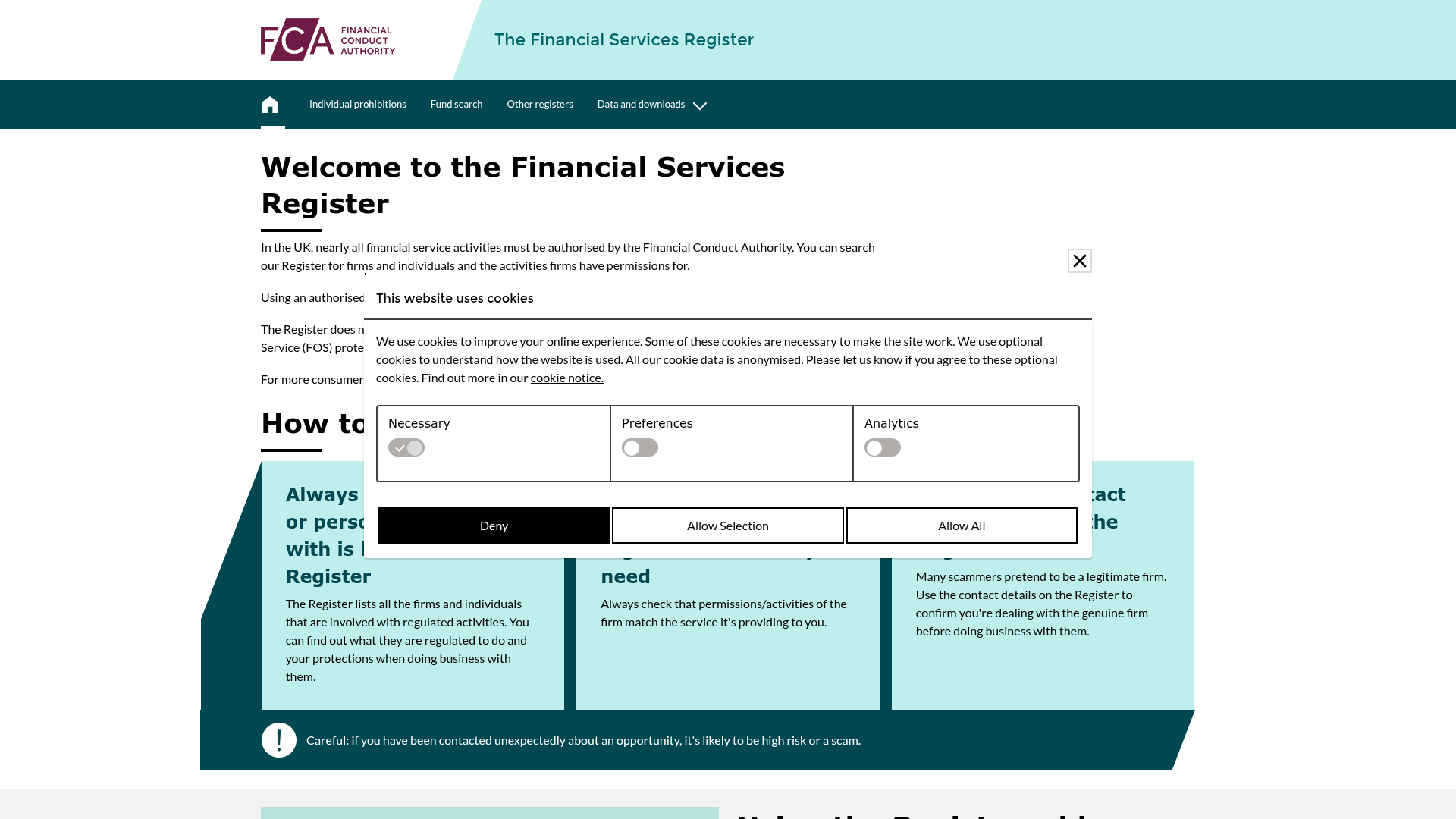
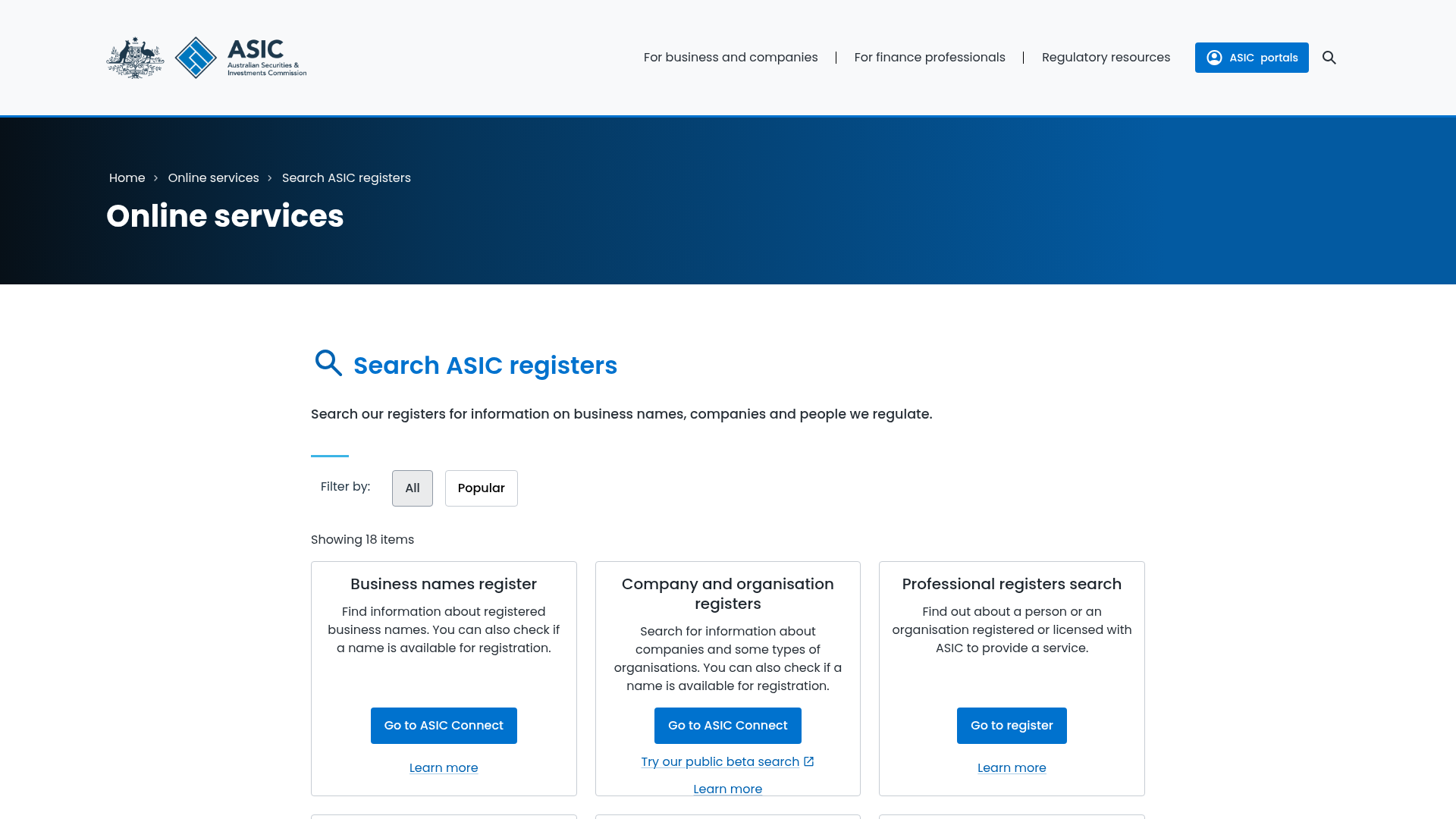
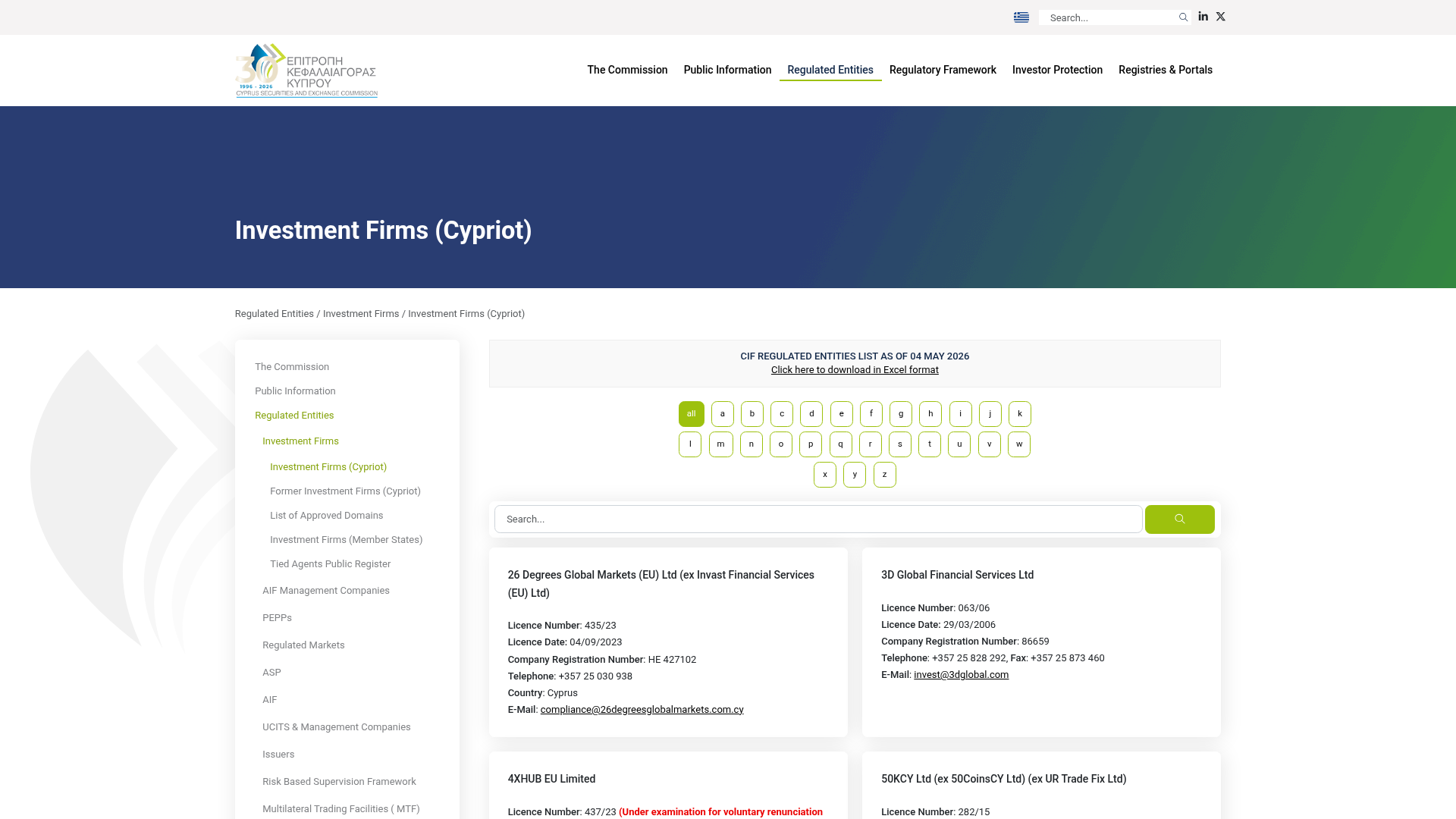
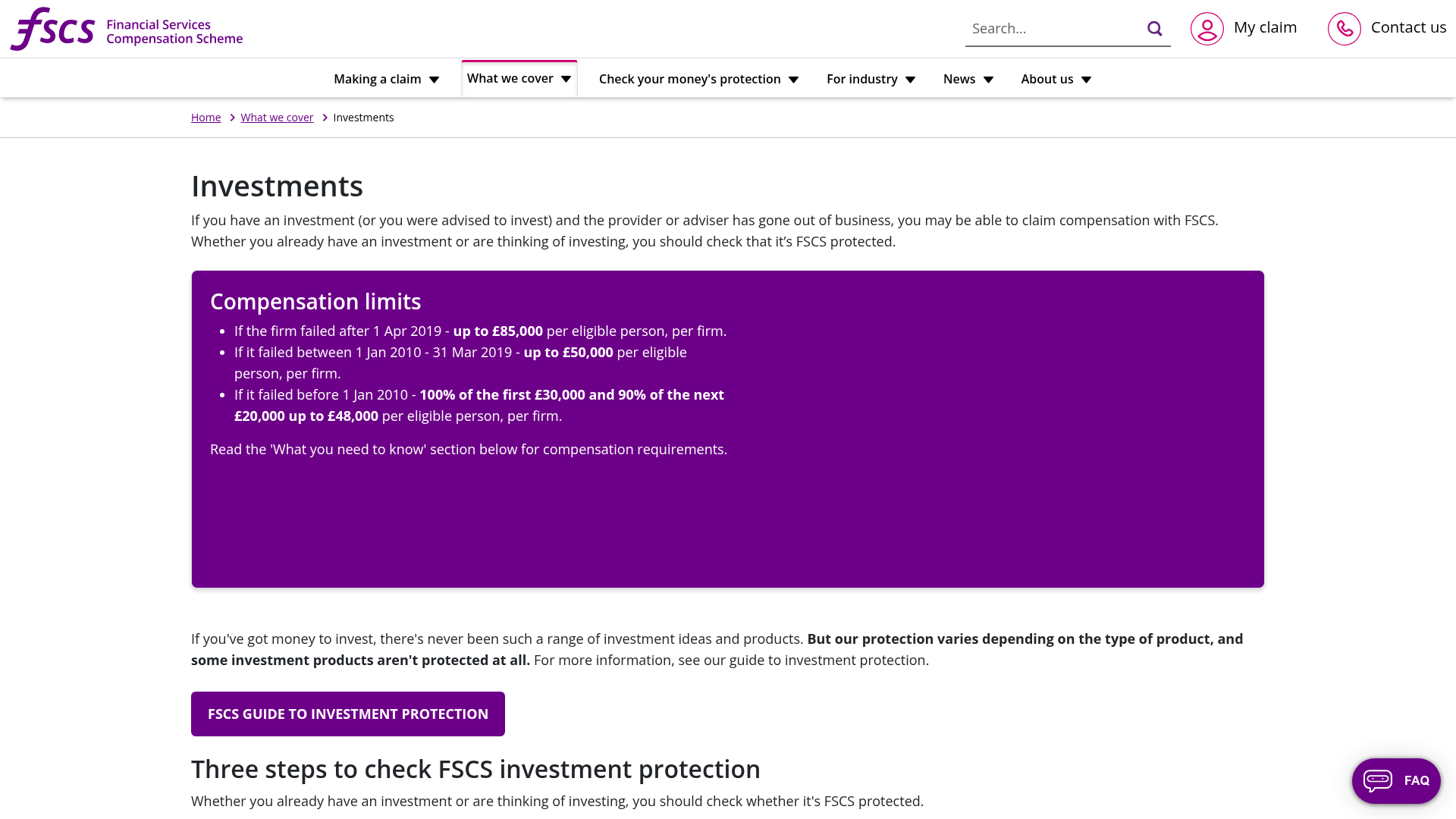
Screenshots of the register pages a licence claim has to survive.

The FCA's Financial Services Register search page
FCA (United Kingdom)

The FCA's Financial Services Register search page

register.fca.org.uk
ASIC's professional registers search
ASIC (Australia)

ASIC's professional registers search

asic.gov.au
CySEC's register of regulated Cypriot investment firms
CySEC (Cyprus)

CySEC's register of regulated Cypriot investment firms

cysec.gov.cy
The FSCS explanation of investment compensation limits
FSCS (United Kingdom)

The FSCS explanation of investment compensation limits

fscs.org.uk
ESMA's product-intervention decision restricting CFDs
ESMA (European Union)

ESMA's product-intervention decision restricting CFDs

esma.europa.eu

A regulatory claim is verified against the issuing authority's own register, not against the broker's marketing copy. Where a claim and a register disagree, the register wins and the discrepancy is published in the review.

Rules

The independence rules we work under

Scores precede commerce
A broker is scored and the review drafted before any commercial conversation takes place. The analyst producing a ranking cannot see whether a commercial relationship exists.
No preview, ever
No broker has been shown a score, a ranking or an award before publication, and no broker has a right of reply that can change a number. Factual corrections are made and logged; scores are not renegotiated.
Register over claim
A licence counts only if it appears on the issuing regulator's own public register under the entity retail clients are onboarded to. Group-level claims about a sister entity do not count.
Ninety-day re-test
Every broker returns to the queue after ninety days. Spreads are re-sampled, licences re-checked, and the review re-dated. A stale review is withdrawn rather than left standing.
Named accountability
Every review and every research piece carries the name of the analyst who produced it and of the person who fact-checked it.
Failure is published
When a test fails — a withdrawal that stalls, a document loop, an entity switch we were not told about — it goes into the review. Removing an unflattering finding is not an option available to us.

We are funded by affiliate commission paid when readers open accounts through our outbound links. That is disclosed on every page carrying such a link, and it is the reason the rules above exist in writing rather than as a promise. Read the full affiliate disclosure.

People

Who runs each part of the process

AnalystResponsible forReviewsAccountsBackground
James ColeHead of Broker Testing1042Ex-execution analyst, London brokerageDesigns the testing protocol and runs the execution and slippage work. Has personally opened, funded and emptied more than forty live trading accounts since 2019.
Priya NairRegulation & Safety Lead1016Compliance, EU investment firmsVerifies every licence against the issuing regulator's public register and writes the trust and safety assessment. Nothing publishes until her fact-check is signed off.
Marco RossiMarkets & Platforms Analyst1027Former proprietary FX traderStress-tests platforms and pricing, runs the spread sampling schedule, and compares tooling across MT4, MT5, cTrader and proprietary web terminals.

Methodology version 2026.1, in force for the 2026 annual review. Changes to weights or to the protocol are versioned and dated; the previous version stays available so any historical score can be reproduced. Analyst profiles →